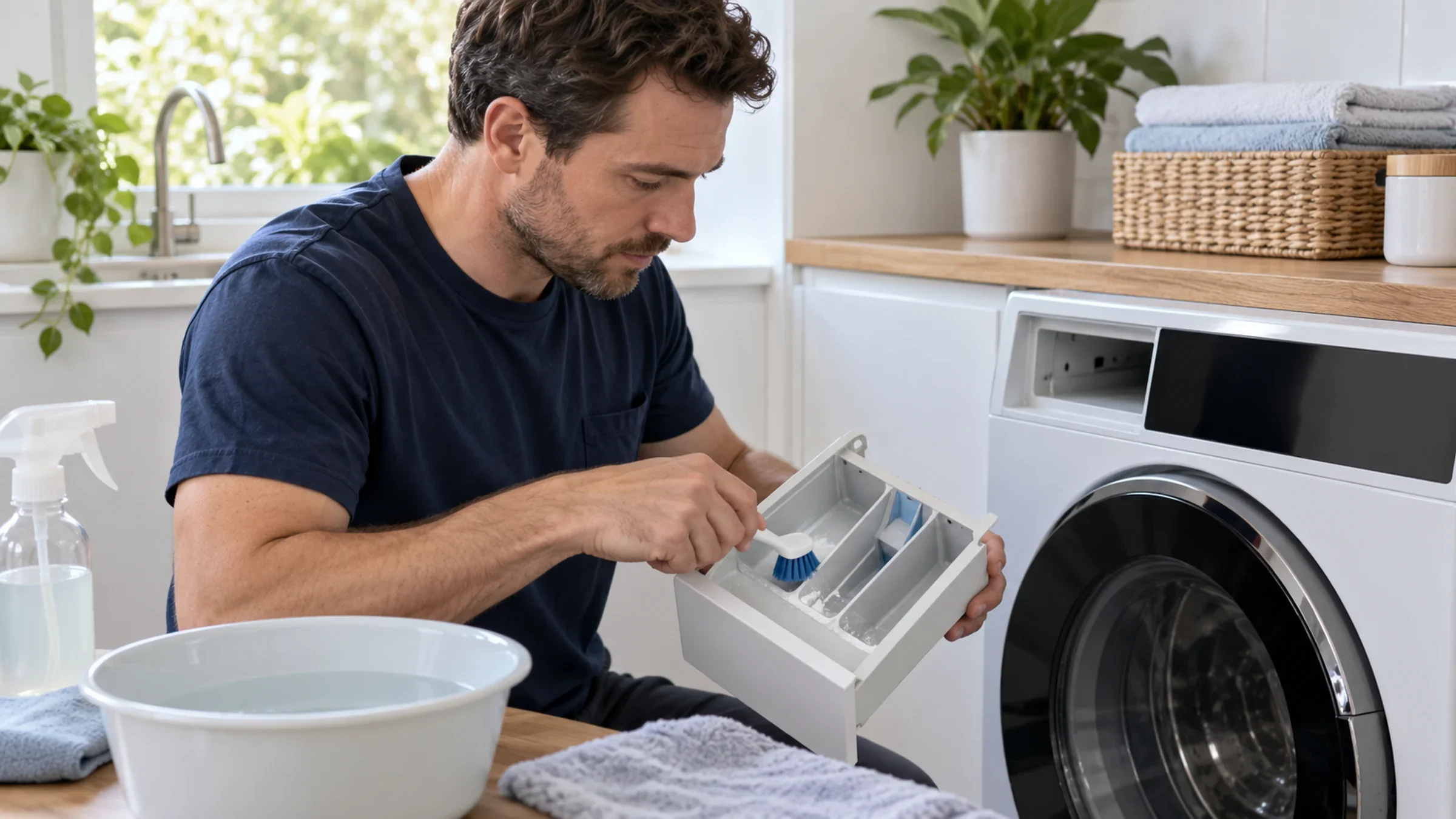
An oven clean is a surface-care task, not permission to dismantle or repair an appliance. Pairino's Oven and Kitchen-Appliance Cleaning Service helps a Client identify the appliance, condition and accessible components. A Provider can then confirm the suitable method and the parts included in the work.
What the Service Covers
Oven deep cleaning, barbecue cleaning and cooktop or rangehood cleaning are separate catalogue outcomes. Removable racks and accessible components can be described individually. Commercial appliances and extraction systems introduce different access and operating conditions. Self-cleaning, pyrolytic or catalytic features need model-specific care, so their names should be supplied rather than treated as interchangeable ordinary ovens.
Prepare a Useful Brief
Record appliance type, model, size or count, and the condition of grease or residue. Identify removable racks, trays and filters and any known damage. Have the manufacturer instructions available where possible. The appliance must be switched off, cool, empty and safe to reach. Explain kitchen access and the protected work area. The Provider should confirm preparation and product suitability before cleaning begins.
Understand the Limits
Gas smells, exposed wiring, faults, damaged seals and unsafe surfaces stop ordinary cleaning. Fixed panels, sealed glass, dismantling, repairs and replacement parts require distinct confirmation. Gas, electrical and ventilation work are separate specialist responsibilities. A commercial clean does not by itself establish food-safety compliance, and product descriptions such as eco-friendly or non-caustic do not guarantee suitability for every surface.
From Description to Confirmed Request
The guided request turns your description into a catalogue-valid brief. Choose the relevant work, answer the questions that apply and review the resulting scope before submitting. Your answers describe your circumstances. They are not a diagnosis, a price or a conclusion about a Provider's credentials. If an answer is unknown, use an available uncertainty choice or explain the uncertainty instead of selecting a confident value to move forward. A relevant photo can help show condition and access, but it should contain only information needed for the work.
Scheduling is part of that brief. Earliest asks for the earliest matching appointment. On Date uses your selected date or explicitly selected flexibility range. Before Date requires the whole Job to finish before your chosen date. Your preferred time is advisory, so review the actual offered appointment in each Quote. Selecting a date does not reserve a Provider or establish availability. Where recurring work is offered, review the proposed frequency and terms separately. An interest in regular help is not an accepted recurring commitment.
Read the Whole Quote
Look for the exact surfaces, removable components and selected cleaning method. Clarify what is excluded behind fixed panels and whether the rangehood or barbecue is an additional item. Confirm what happens if inspection finds damage or incompatible coatings. The accepted Quote should describe the clean, without promising that existing damage, faults or baked-on marks will all disappear.
Pairino uses sealed Provider-confirmed Quotes for published Services. Eligible Providers review the same confirmed brief and decide whether to offer work. The Provider's Quote states the offered scope, price and appointment. Compare inclusions, exclusions and assumptions alongside the displayed amounts. A lower amount for a smaller task is not the same offer. The applicable platform fees and tax facts appear through Pairino's own pricing presentation. This introduction does not estimate them.
A submitted request may produce no suitable offer. Supply and appointment availability must be confirmed, and a public Service page cannot promise either. Keep request and Quote communication in Pairino so the parties share a record of clarifications. If you change the request before assignment, use the available request-edit path: a material saved revision replaces the earlier Quote round, and an expired earlier offer cannot be accepted as if it covered the new brief.
Keep the Accepted Work Clear
After acceptance, the Job is the place for the confirmed appointment, communication and work record. Follow the payment authorisation shown for the selected work. Authorisation secures payment and is distinct from capture. If the agreed scope, price or timing needs to change, use the relevant recorded Variation or reschedule process and wait for the required decision. An informal message alone does not replace accepted terms.
The Provider submits a Completion Report when the work is ready for review. Review that report against the accepted scope and use the available completion or dispute action for the actual result. Payment capture follows the owning completion or resolution workflow, and uncertainty does not establish completion. For recurring work, review the relevant visit rather than assuming one visit's outcome applies to the whole booking. Keep material facts and relevant evidence with the Job so both parties can understand a concern.
Explore the Service
Read the Oven and Kitchen-Appliance Cleaning Service page for supported work, preparation and common questions. When you are ready, Create a Job to begin the guided request. The Service page checks current catalogue availability before the request path continues. You can also read How It Works, Trust and Safety and Fees before deciding.